
How to Find a Responsible Pomeranian Breeder in Illinois with Ciara Bond

How to Find a Responsible Pomeranian Breeder in Illinois with Ciara Bond
Bringing home a Pomeranian should feel exciting, not confusing. But if you have started searching for a puppy in Illinois, you have probably noticed how different breeders can be. Some are open and helpful. Some are vague. Some talk only about color, size, or a quick pickup date, when what you really need to know is how that puppy has been cared for from the beginning.
At Stoners Pomeranians in Decatur, Illinois, Ciara Bond has spent 27 years breeding Pomeranians and learning what makes the biggest difference for puppies and families. Her approach is simple and steady: focus on quality over quantity, raise puppies with care, and help families understand what Pomeranians need before they go home.
If you are wondering what to ask, what to watch for, and how to feel confident in your choice, this guide will walk you through the heart of finding a responsible Pomeranian breeder.

Start by looking for care, not convenience
It is easy to get swept up in puppy photos. Pomeranians are tiny, fluffy, expressive, and hard to resist. But the best breeder for your family is not always the one with the fastest answer or the first puppy you see online.
A responsible breeder should be willing to talk with you. They should answer questions clearly, tell you what they do and why, and care where their puppies are going. That kind of conversation matters because a Pomeranian is not just a cute purchase. A puppy is a living little dog with health needs, social needs, grooming needs, and a personality that will become part of your home.
When you talk with a breeder, listen for signs of thoughtfulness. Do they ask about your household? Do they explain how the puppies are raised? Do they talk about timing, care, and expectations instead of rushing you toward a decision?
A good breeder should never make you feel silly for asking questions. In fact, thoughtful questions usually show that you are taking the puppy’s future seriously.
Ask about health care from the beginning
Health care is one of the first subjects to bring up. A responsible Pomeranian breeder should be able to explain what kind of care the puppies receive before pickup and what paperwork or records go home with the family.
You can ask about:
Veterinary checks before the puppy leaves
Age-appropriate vaccinations
Deworming schedule
Any health concerns the breeder watches for in small-breed puppies
What food the puppy is eating
How the breeder recommends handling the first few days at home
Pomeranians are toy dogs, which means their small size affects how they should be handled, fed, and supervised. Tiny puppies need consistent meals, careful handling, and a safe space where they cannot fall from furniture, get stepped on, or slip through small openings.
A breeder who knows the breed should talk openly about these everyday details. Health is not only about a vet visit. It is also about daily habits, safe routines, cleanliness, nutrition, and knowing what is normal for a Pomeranian puppy.
You can also ask about the parents. A breeder may share general information about the parent dogs, temperament, structure, and care. The exact details can vary, but the overall goal should be clear: breeding with purpose, not just producing puppies.
A responsible breeder is not offended by health questions. They expect them.
Learn how the puppies are raised at home
Pomeranians are companion dogs. They thrive on attention, routine, and human interaction. That is why the environment where a puppy is raised matters so much.
At Stoners Pomeranians, Ciara Bond’s long experience with the breed shapes the way she thinks about raising puppies. After 27 years with Pomeranians, she understands that puppies do best when they receive steady care, a clean environment, and close observation as they grow.
When speaking with any breeder, ask where the puppies spend their time and how they are handled day to day. You do not need a perfect-sounding answer. You need an honest one.
Good questions include:
Are puppies raised in the home?
Are they handled regularly?
Are they used to normal household sounds?
Do they have a clean, safe place to sleep and play?
How does the breeder know when a puppy is ready for a family?
Home raising can help a puppy become familiar with the rhythm of daily life. Sounds like a vacuum, a door closing, dishes moving, or a television in the background may seem small to us, but they are part of a puppy’s early learning.
A puppy does not need a busy or overwhelming environment. In fact, too much noise or stress can be hard on a young dog. What matters is steady, kind exposure and enough human interaction to help the puppy feel secure.
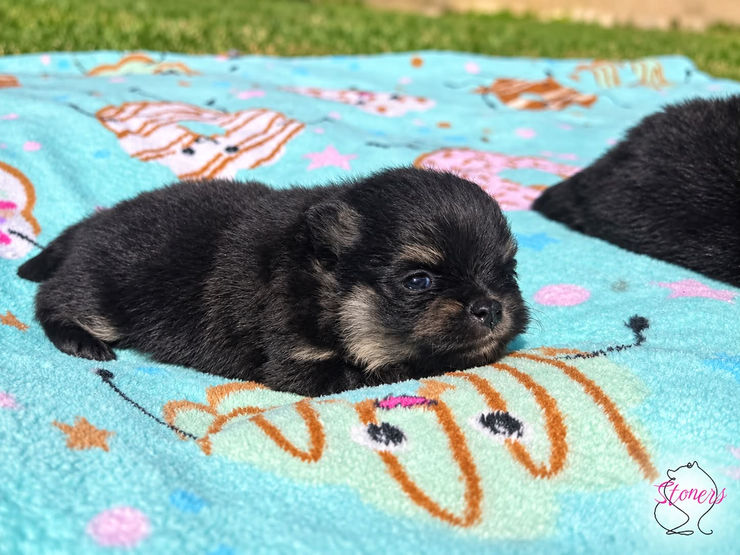
Ask how socialization is handled
Socialization does not mean taking a tiny puppy everywhere. It means helping the puppy build confidence through safe, age-appropriate experiences.
For a young Pomeranian, socialization may include gentle handling, hearing household sounds, meeting familiar people, exploring safe surfaces, and slowly learning that the world is not scary. The breeder should understand that timing matters. Puppies should not be pushed into unsafe places before they are ready, and they should not be isolated from normal care and contact either.
Ask the breeder how they introduce puppies to new experiences. Their answer can tell you a lot about their approach.
You might ask:
How are puppies handled as they grow?
Do they get used to brushing or basic grooming touches?
Are they exposed to normal home sounds?
How do you support shy or bold puppies differently?
What should we continue doing once the puppy comes home?
The last question is especially useful. Puppy socialization does not end at pickup. It continues in your home through calm routines, kind handling, short positive experiences, and patient training.
A good breeder will not make big guarantees about personality. Puppies are living beings, and they keep developing. But an experienced breeder can often notice tendencies, such as which puppies are more outgoing, which are softer, and which may need a quieter transition.
Understand what AKC registration does and does not mean
Many families ask about AKC registration, and that is a good thing to discuss. AKC registration can show that a puppy comes from registered Pomeranian parents and that the litter has been recorded through the American Kennel Club.
That said, registration is only one piece of the picture. It does not replace health care, daily handling, cleanliness, breeder experience, or honest communication.
When you ask about AKC registration, keep the conversation practical. Ask whether the puppy is eligible for AKC registration, what paperwork is provided, and whether the breeder explains any terms connected with that registration.
A responsible breeder should be clear about what is included and what the registration means for your puppy. If you are looking for a family companion, you may not need the same type of registration arrangement as someone interested in showing or a future breeding program. The breeder should explain those differences in a way that is easy to understand.
This is also a good time to ask about expectations. Some breeders may have policies about spay or neuter timing, breeding rights, or companion placement. Those policies should be discussed before pickup, not after.
The main idea is this: AKC registration can be valuable, but it should sit alongside responsible care, not stand in place of it.
Make sure your home can meet a Pomeranian puppy’s needs
One thing I appreciate about good breeders is that they do not act like every home is automatically the right fit. Pomeranians are loving, bright, and entertaining, but they do have real needs.
Before bringing home a Pomeranian puppy, it helps to think through daily life.
Pomeranians need:
Regular meals suited for a small puppy
A safe indoor space
Gentle handling from children and adults
Grooming and brushing
Veterinary care after pickup
Patience with potty training
Protection from rough play with larger pets
Time to bond and adjust
Their coats need care, even when they are young. Their tiny bodies need careful supervision. Their minds need attention too. Pomeranians often enjoy being close to their people, and many do best when they are included in household life rather than left alone for long stretches without interaction.
If you have young children, a breeder may want to talk about safe handling. That is not meant to discourage a family. It is meant to protect the puppy and help children learn how to interact kindly with a small dog.
If you have other pets, it is fair to ask how to manage the introduction. Bigger dogs may be friendly but still too rough for a tiny puppy. Stairs, slick floors, recliners, cords, and small gaps around furniture can also become safety concerns.
A responsible breeder will help you think ahead. That kind of guidance is a gift, especially if this is your first Pomeranian.

Look for support after pickup
The relationship with a good breeder should not end the moment the puppy leaves. Those first few days at home can bring plenty of questions, even for families who have had dogs before.
Your puppy may need time to adjust to new sounds, new smells, and a new routine. You may wonder if the puppy is eating enough, sleeping enough, or settling in normally. You may have questions about food, grooming, potty habits, crate time, or the next vet visit.
Support after pickup can make the transition feel much less lonely.
Ask the breeder:
What food and schedule is the puppy used to?
What should we expect the first night?
What records will come with the puppy?
When should we schedule our own vet visit?
Can we reach out if we have questions after pickup?
A responsible breeder wants the puppy to succeed in your home. That does not mean they can control every future outcome. No one can. But they can give you thoughtful information, share what the puppy is used to, and be available for reasonable questions as you adjust.
Ciara Bond’s focus on quality over quantity fits naturally here. When a breeder is not trying to produce as many puppies as possible, there is more room for careful placement, conversation, and follow-through. Experience matters, but so does the willingness to keep caring after the puppy goes home.
Notice how the breeder talks about color, size, and timing
Pomeranians come in many beautiful colors and markings, and it is normal to have preferences. Some families love orange, cream, black, parti, sable, or other coat patterns. Some prefer a certain look or size range.
A responsible breeder can talk about those preferences without reducing the puppy to appearance alone.
Be cautious if a breeder focuses only on rare colors, tiny size, or urgent availability. Color can be lovely, but health, temperament, structure, and care come first. Extremely tiny puppies may need extra caution, and no breeder should make a puppy sound like an accessory.
Timing matters too. A puppy should not leave too young, and the breeder should be willing to explain when puppies are ready. The right timing supports the puppy’s body, confidence, and transition into a new home.
It is also wise to avoid pressure. If the conversation makes you feel rushed, step back. A good placement works for the breeder, the family, and most of all, the puppy.
Trust transparency over perfect wording
You do not need a breeder who gives rehearsed answers. You need a breeder who is honest, experienced, and clear.
Responsible breeders usually welcome careful families. They may have their own questions for you, and that is a good sign. They may want to know about your home, your schedule, your past dog experience, and whether you understand the needs of a small breed.
Here are a few green flags to look for:
The breeder answers questions about health care and records.
The breeder explains how puppies are raised.
The breeder talks about socialization in a safe, realistic way.
The breeder is clear about AKC registration and paperwork.
The breeder helps you prepare for pickup and the first days at home.
The breeder cares about fit, not just the sale.
You can also pay attention to how they handle uncertainty. A trustworthy breeder will not promise that a certain color, size, personality, puppy, or litter will be available at the exact moment you want. Puppies are not products on a shelf. Plans can change, and availability can change.
A breeder who tells the truth, even when the answer is “not right now,” is showing respect for the puppies and the people who love them.
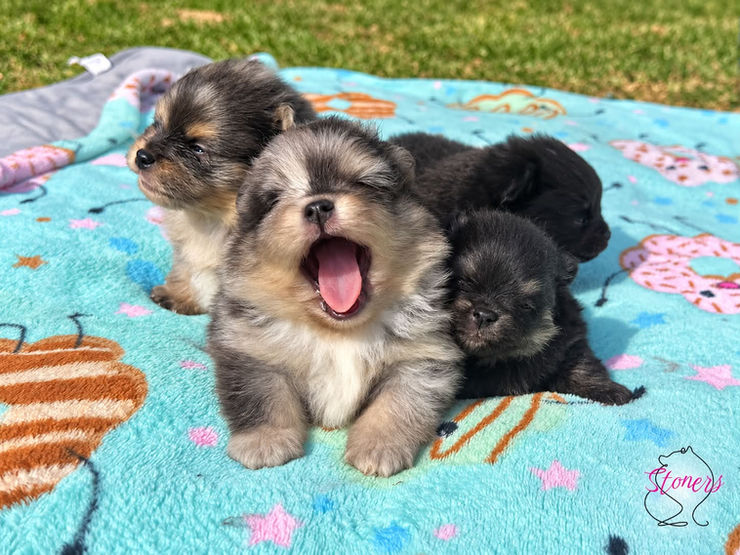
A good breeder helps you feel prepared
Finding a responsible Pomeranian breeder in Illinois is not about checking one box. It is about the full picture. Health care, home raising, socialization, AKC registration, puppy readiness, and support after pickup all work together.
Ciara Bond brings 27 years of Pomeranian breeding experience to Stoners Pomeranians in Decatur, Illinois, with a steady focus on quality over quantity. That kind of care shows up in the questions asked before placement, the guidance given to families, and the attention paid to each puppy’s needs.
If you are beginning your search, take your time. Ask good questions. Listen for clear answers. Look for someone who cares about the puppy long after the first photo catches your eye.
To learn more, visit StonersPomeranians.com to view the available Pomeranians and planned breedings.


Comments